
The New Noir: Master the Tenets of Gothic Chic Interior Design
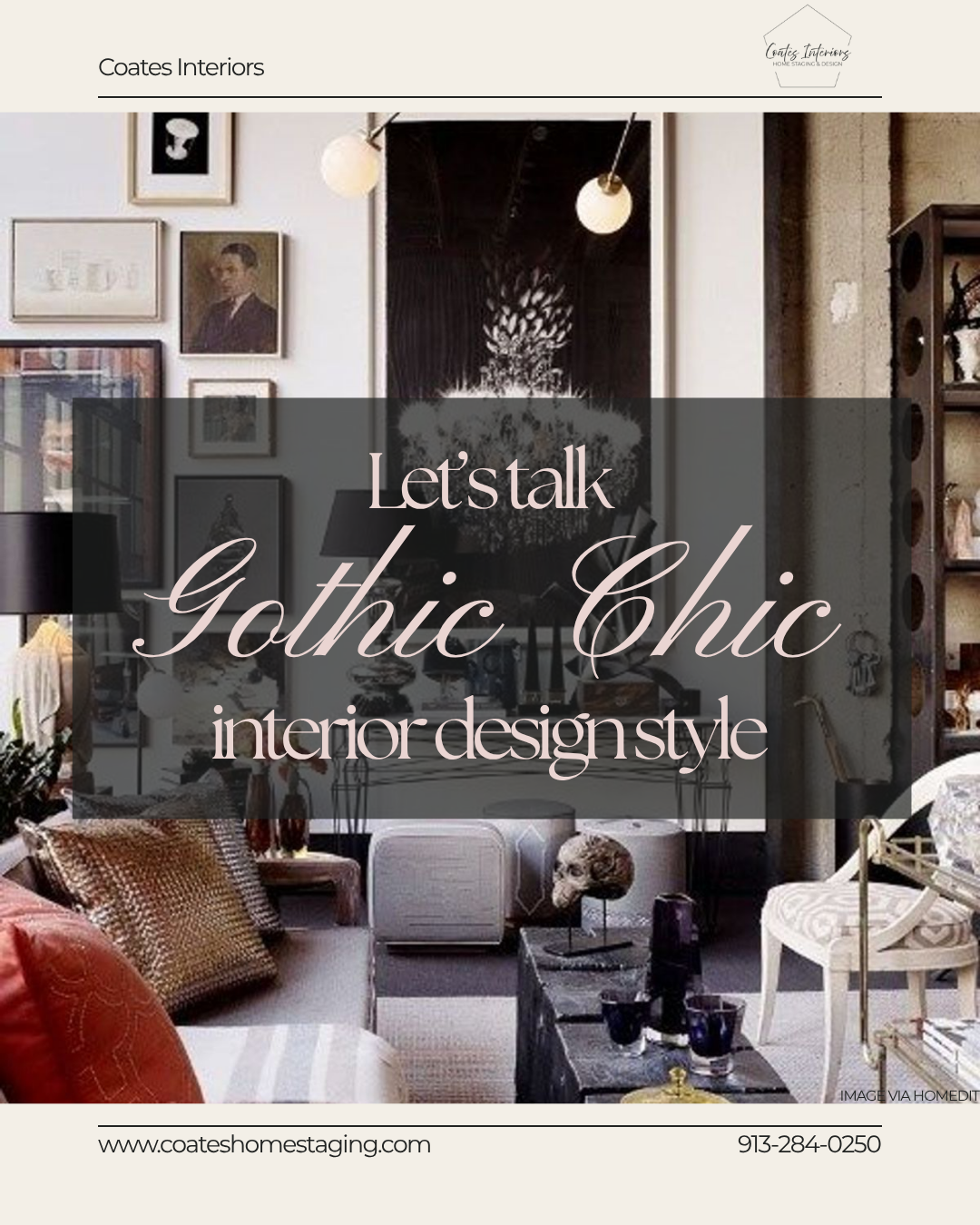
Gothic interior design often conjures images of Dracula’s castle, cobweb-laden candelabras, and cartoonish Halloween props. However, a major design shift has reinvented this centuries-old aesthetic into something entirely different: Gothic Chic (also known as Modern or Contemporary Gothic). Driven by a desire for atmospheric depth and individual expression, Gothic Chic strips away the kitsch to celebrate a highly sophisticated blend of historical drama and clean, modern comfort.
If you are looking to infuse your home with a sense of moody luxury, understanding the foundational tenets of Gothic Chic will help you execute the look flawlessly.
The Moody, Sophisticated Color Palette
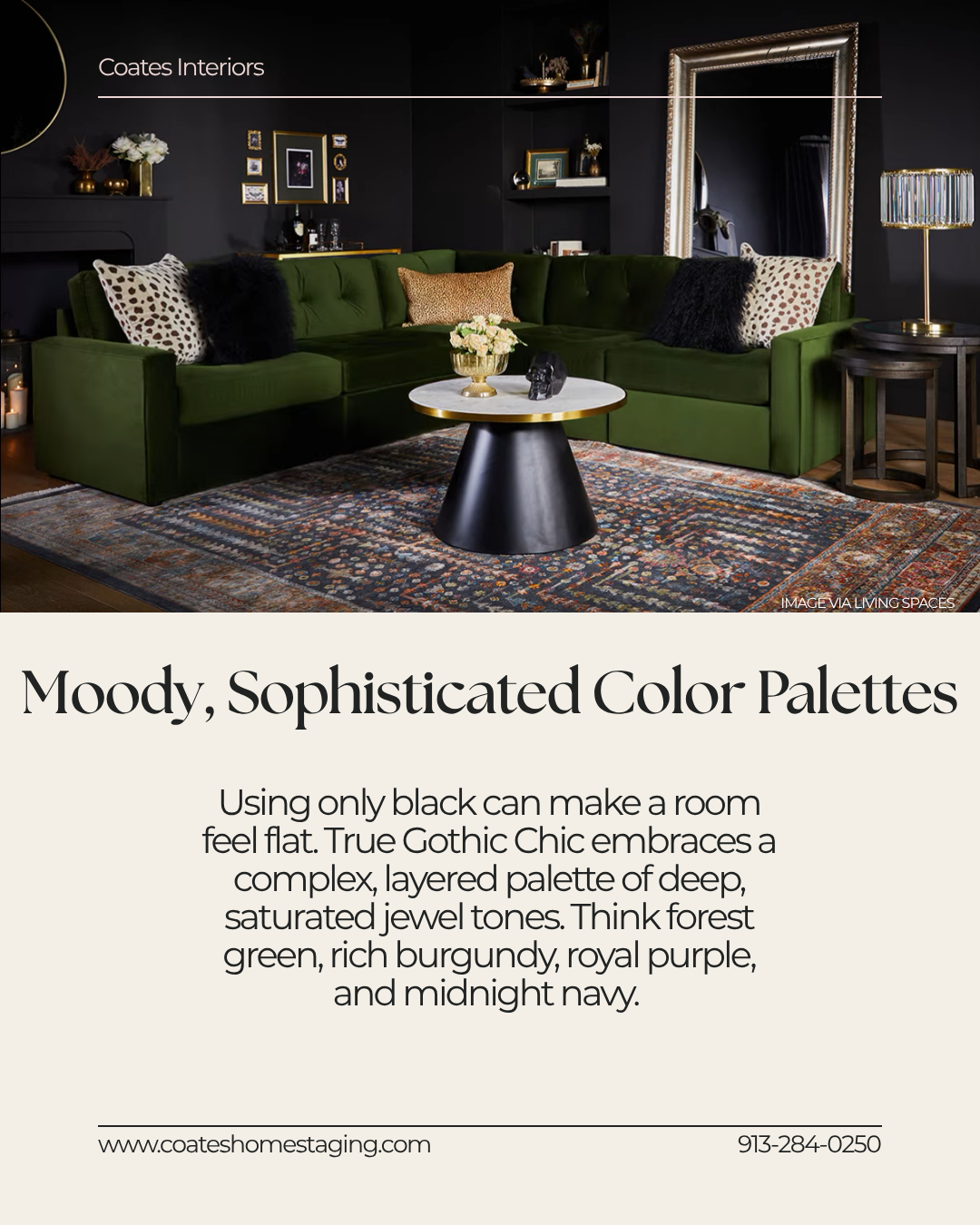
While black is undoubtedly a staple of any gothic aesthetic, relying solely on it can make a space feel flat, heavy, or claustrophobic. True Gothic Chic embraces a complex, layered palette of deep, saturated jewel tones. Think forest green, rich burgundy, royal purple, and midnight navy.
These deep hues act like a visual cocoon, absorbing light to create an intimate and unexpectedly cozy sanctuary. To keep the space looking dynamic and modern rather than dark and dreary, these rich backgrounds are elevated with metallic accents. Adding finishes in warm champagne bronze, brass, or polished gold cuts through the shadows, reflecting light and introducing a luxurious contrast.
Tactile Contrast and High-End Textures
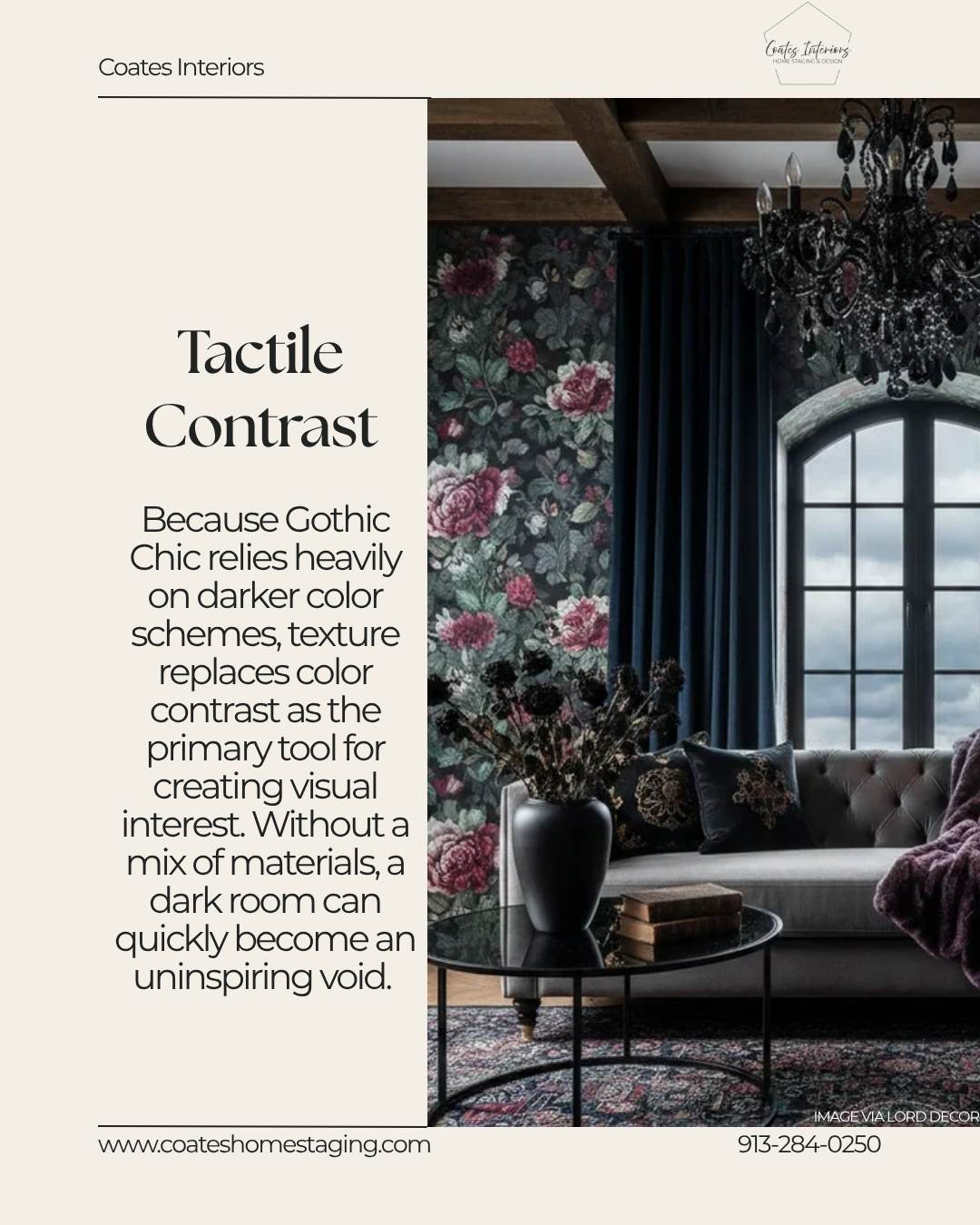
Because Gothic Chic relies heavily on darker color schemes, texture replaces color contrast as the primary tool for creating visual interest. Without a mix of materials, a dark room can quickly become an uninspiring void.
To build a sense of opulence, lean heavily into sumptuous, touchable fabrics. Thick velvet curtains that puddle on the floor, heavy silk drapes, and smooth leather upholstery create layers of sensory luxury. Pair these soft textiles against cold, rigid architectural elements like matte black plumbing fixtures, raw brick, wrought iron accents, and dark carved woods like mahogany or toasted oak. This deliberate juxtaposition between the plush and the hard-edged gives the design its signature narrative complexity.
Architectural Geometry and Curved Lines
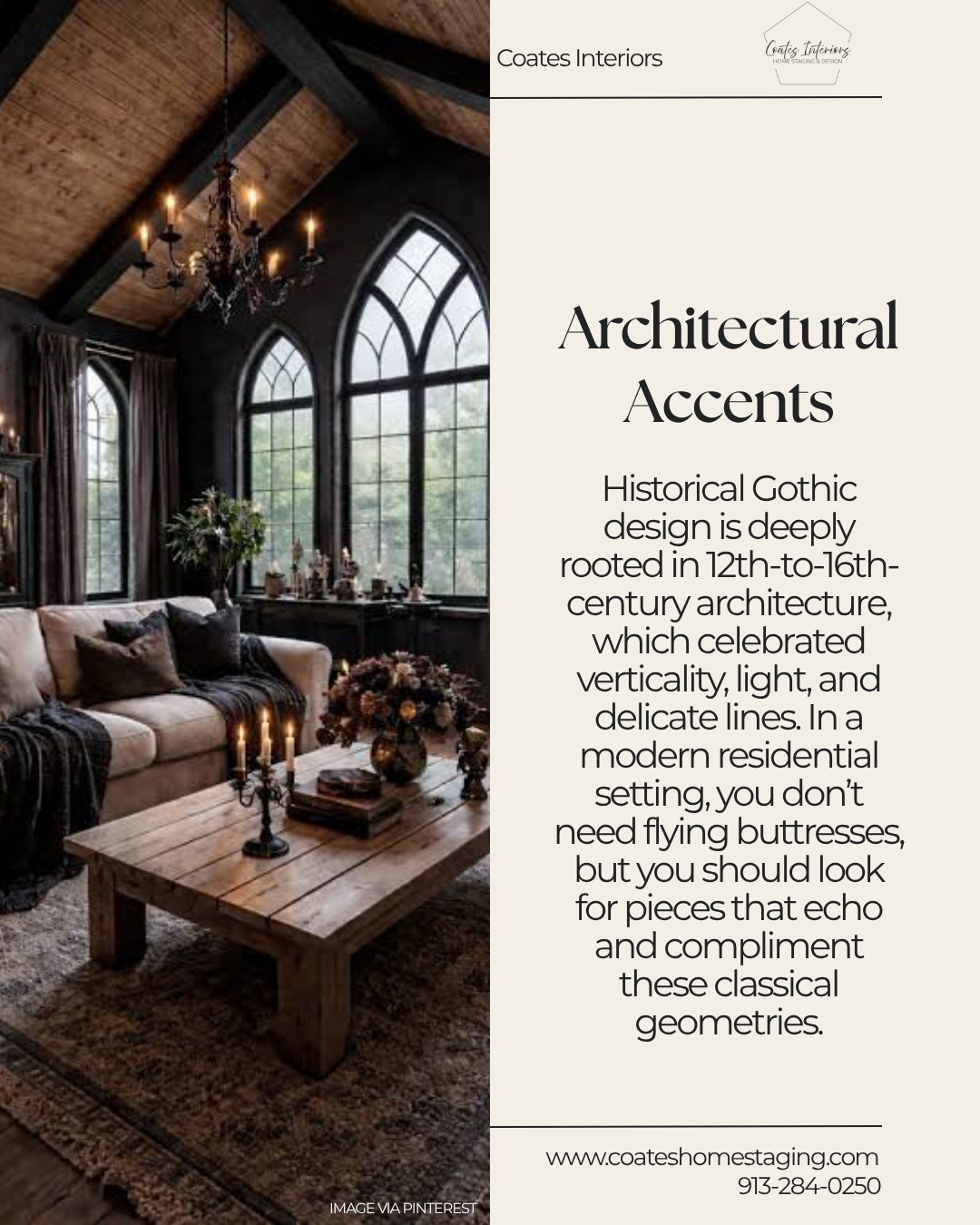
Historical Gothic design is deeply rooted in 12th-to-16th-century architecture, which celebrated verticality, light, and delicate lines. In a modern residential setting, you don’t need flying buttresses, but you should look for pieces that echo these classical geometries.
Look for furniture and accessories that feature pointed arches, ribbed details, and trefoil patterns. Statement mirrors with ornate, arched frames can act as stunning focal points while doubling the natural light in a room. Crown molding, dramatic wall paneling, and heavy, carved wood frames help anchor the space, referencing the grandeur of antique European design without feeling outdated.
Dramatic, Layered Lighting
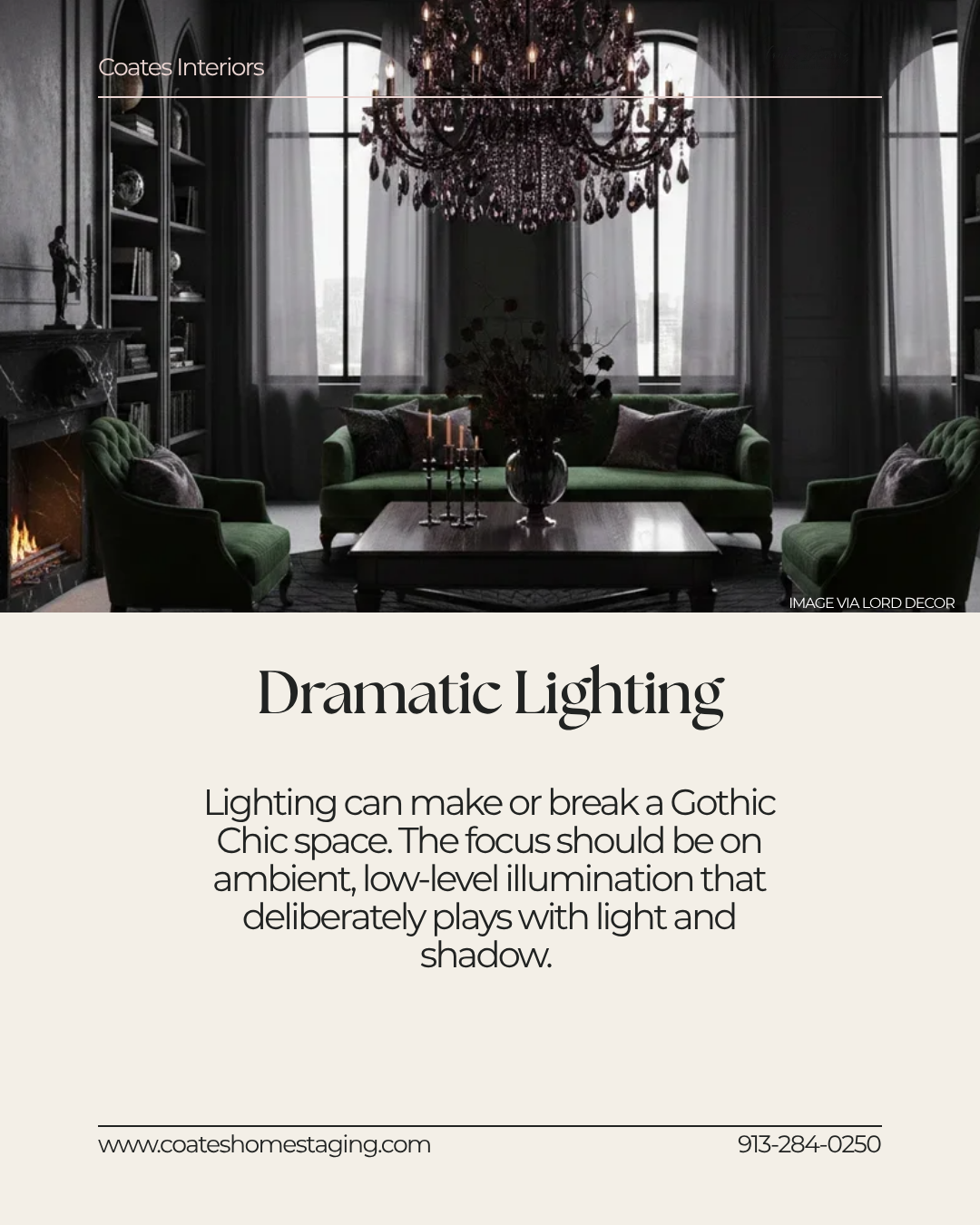
Lighting can make or break a Gothic Chic space. Overhead recessed lighting can completely ruin the mood by washing out the intricate textures you’ve worked hard to curate. Instead, the focus should be on ambient, low-level illumination that deliberately plays with light and shadow.
Start with a statement fixture to serve as the visual centerpiece—a vintage-inspired crystal or iron chandelier will bring instant classical opulence. Complement this with wall sconces placed at eye level to cast warm, dancing shadows along your walls. Finally, never underestimate the power of candlelight. Real or high-quality LED candles arranged in ornate holders add a soft, flickering warmth that makes the deep color palette feel inviting rather than intimidating.
Curated Eccentricity and Curiosities
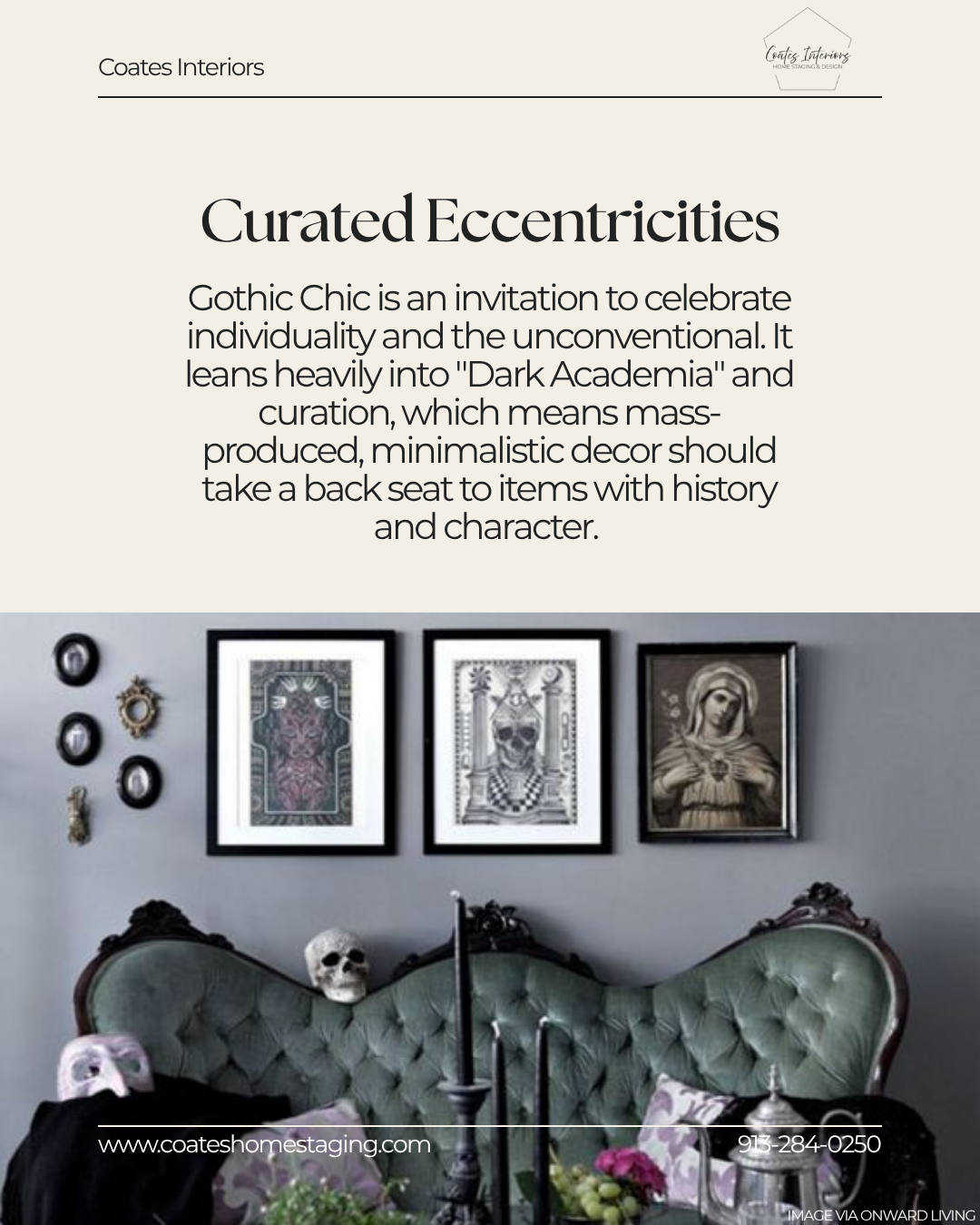
Gothic Chic is an invitation to celebrate individuality and the unconventional. It leans heavily into "Dark Academia" and curation, which means mass-produced, minimalistic decor should take a back seat to items with history and character.
Incorporate antique oil paintings, vintage portraiture, heavy stone pottery, and sturdy bookshelves filled with your personal library. You can absolutely feature macabre touches or oddities—like vintage scientific drawings, crystals, or tasteful memento mori—but the key is moderation. Displaying a singular skull as a sculpted art object nestled on a sleek, contemporary console table bridges the old and new beautifully, ensuring your space looks curated rather than like a seasonal costume shop.
Longevity Over Novelty
Ultimately, the defining feature of Gothic Chic is permanence. While popular media often sparks interest in the style, executing it successfully requires treating it as a timeless design philosophy. By balancing historically romantic, dramatic elements with the clean profiles of modern furniture, you can create a high-fashion, deeply comforting home that celebrates the beauty hidden in the dark.
Now that you’ve mastered the tenets of Gothic Chic interior design style, are you ready to begin transforming your space?
Schedule your free design consultation today! 913-284-0250 coatesinteriorsllc@gmail.com